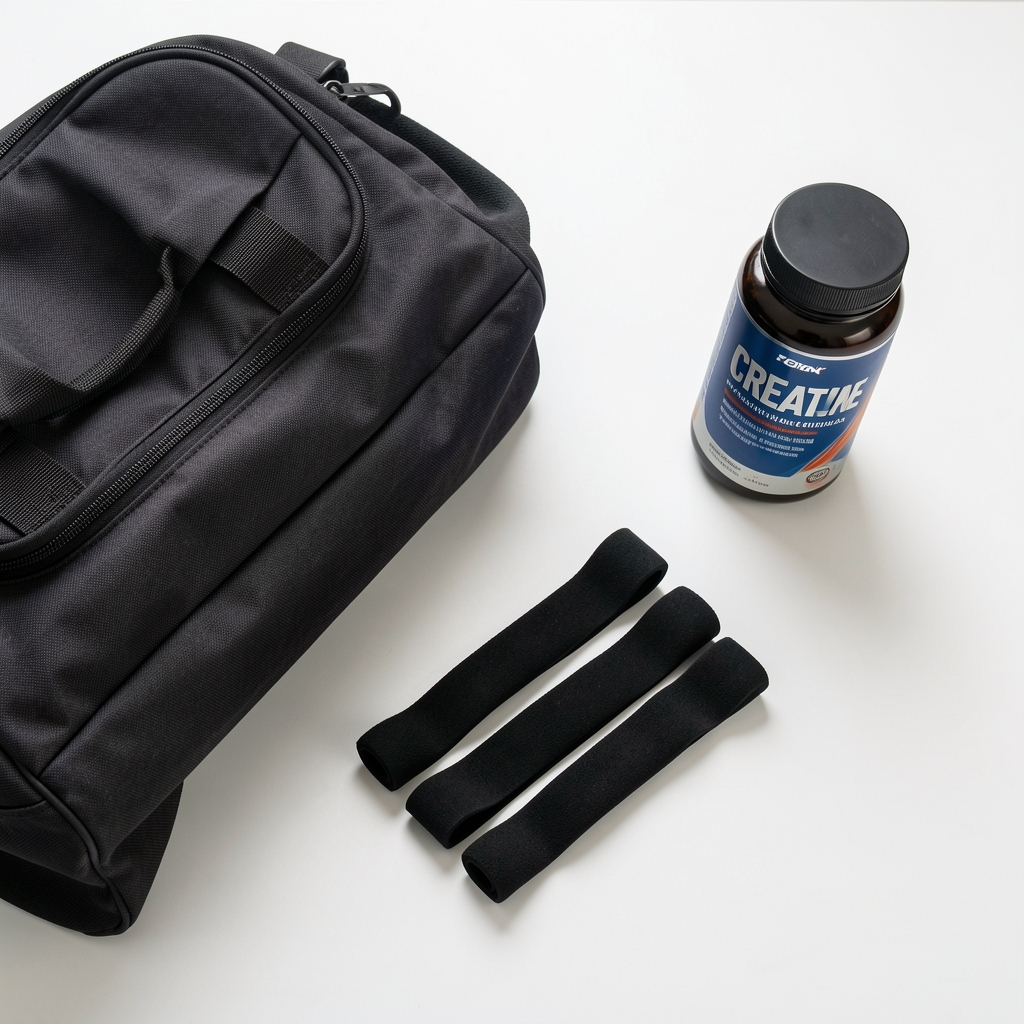
The conversation around zinc and B vitamins in men's nutritional awareness sits at a slightly different register than the creatine-and-performance conversation. These are not acute-output supplements. They occupy the foundational layer of the daily stack — the nutrients whose absence is noticed gradually rather than immediately, and whose presence sustains the conditions for daily energy awareness and focus over time.
Opening the Record
This article is a field note, not a research summary. The editorial desk at Arekon Press draws on a combination of published nutritional literature and observed stacking patterns among active men across Southeast Asia's urban wellness communities. Jakarta, in particular, presents an interesting observational context: a city of highly active men managing intense work schedules, irregular dietary habits, and a growing awareness of the role supplementation can play in sustaining daily performance.
Among the nutrients most frequently mentioned in those conversations, zinc and B vitamins occupy a consistent position. The frequency is not surprising given the breadth of their roles in the body's nutritional processes. But the consistency of their co-occurrence in documented stacks is worth examining editorially.

Supplement shelf arrangement — editorial archive observation
Zinc in the Active Man's Stack
Zinc is an essential trace mineral, meaning the body requires it in small amounts but cannot produce it endogenously. It must come from food or supplementation. Zinc contributes to nutritional balance in active men's routines, with its relevance to immune function awareness, skin nutritional support, and the enzymatic processes involved in energy production all noted in the published nutritional record.
For active men specifically, zinc has an additional consideration. Physical activity — particularly high-intensity or resistance-based training — places demands on the body's zinc stores. Men who train regularly without monitoring their dietary zinc intake can find themselves operating with suboptimal nutritional status in this area. The dietary sources of zinc most relevant to this gap are red meat, shellfish, legumes, nuts, and seeds. Men with restricted red meat intake, or those with high training volumes, are the most commonly observed candidates for zinc supplementation in the documented patterns.
The forms of zinc supplement most commonly observed in daily stacks are zinc picolinate and zinc citrate — forms with a higher documented bioavailability compared to zinc oxide, which is the most commonly used form in lower-cost supplements. The editorial note here is not a recommendation; it is an observation from the documented patterns of men who have researched their options within the published nutritional record.
"Zinc and B vitamins occupy the foundational layer of the daily stack — the nutrients whose absence is noticed gradually rather than immediately, and whose presence sustains the conditions for daily energy awareness and focus."
The B Vitamin Group
The B vitamin group is a family of eight distinct water-soluble vitamins, each with a defined role in the body's metabolic processes. In the context of men's daily supplement habits, the most frequently observed additions are B12, B6, and a complete B-complex formulation that covers all eight. Their collective contribution to daily focus and energy awareness is the most commonly cited reason for their presence in the documented stacks.
B12 is notable in the Southeast Asian context because it is found almost exclusively in animal-derived food sources. Men with dietary patterns that include limited animal products — a growing segment in Jakarta's wellness communities — tend to develop B12 nutritional considerations over time. The published nutritional record is clear that B12 is essential for neurological function and the normal production of red blood cells, both of which are relevant to the daily energy and focus awareness that active men consistently report as priorities.
B6 occupies a complementary role, contributing to the normal functioning of the nervous system and to amino acid metabolism — the latter being relevant to men with higher protein intake targets from their training routines. The complete B-complex formulation is frequently chosen over individual B vitamins because it ensures the full group is covered, reducing the decision complexity of assembling a B vitamin sub-stack independently.
Because B vitamins are water-soluble, they are not stored in the body in the way fat-soluble vitamins are. This means daily intake is the relevant consideration — there is no meaningful reservoir to draw on. The practical implication for supplement stacking habits is that the morning routine is the consistent intake window for B vitamins, alongside the breakfast meal where water solubility is not a limiting factor.
Energy Patterns and Daily Focus
The relationship between zinc, B vitamins, and daily energy awareness is not a simple causal chain. It is more accurately described as a set of nutritional conditions that, when adequately maintained, support the body's capacity to sustain energy production and mental focus across the day. The Arekon Press editorial position is that this distinction matters: supplements of this type are not energy drinks, and their effect is not immediate. They are elements of a sustained nutritional foundation.
The published nutritional research base for B vitamins and energy metabolism is extensive. Several B vitamins — particularly B1 (thiamine), B2 (riboflavin), B3 (niacin), B5 (pantothenic acid), and B7 (biotin) — are directly involved in the conversion of dietary macronutrients into cellular energy. Men who are consistently active and consuming higher caloric intakes have proportionally higher requirements for these enzymatic co-factors. The supplementation logic follows from this directly.
Zinc's contribution to daily energy awareness operates through a different channel — primarily through its role in immune function awareness and oxidative stress management, both of which affect perceived energy levels and mental clarity in the documented experience of active men. When zinc nutritional status is suboptimal, active men frequently report a subjective sense of reduced daily focus and physical resilience. The return of optimal zinc status through consistent supplementation is noted in the same documentation as a gradual, week-by-week normalisation — not a dramatic or immediate shift.

Morning journalling habit — supplement stacking observation, Jakarta 2026
The Place of ZMA Formulations
ZMA formulations — combining zinc, magnesium, and vitamin B6 — appear with notable frequency in the documented supplement stacks of active men. They represent a single-product solution to the zinc-magnesium-B6 combination that many men arrive at through independent research. The convenience of combining three active items into one product is the primary observed driver of their adoption; the underlying nutritional rationale for each component aligns with the considerations covered in this editorial and in the preceding Arekon Press article on creatine and magnesium.
ZMA is typically taken in the evening, reflecting the recovery-oriented framing of magnesium and the observed pattern of B6 within the combination. The zinc component carries the same bioavailability considerations as zinc supplementation generally — ZMA formulations typically use zinc monomethionine or zinc aspartate, both with reasonable published bioavailability records.
The editorial observation on ZMA is that it represents a practical consolidation rather than a fundamentally different supplement approach. Men who use ZMA are typically covering the same nutritional considerations as men who take zinc, magnesium, and B6 separately — they have simply chosen the consolidated format. Whether the consolidated format is preferable depends on the individual's existing stack, budget, and dietary context, all of which sit outside the scope of this editorial.
Key Observations
The following points summarise the editorial observations from this piece:
- Zinc contributes to nutritional balance in active men's routines; its stores can be depleted by regular high-intensity physical activity, making dietary monitoring and supplementation a common consideration.
- B vitamins contribute to daily focus and energy awareness; their water-soluble nature means daily intake is the relevant habit, with no meaningful reservoir to draw on.
- B12 and B6 are the most frequently observed individual B vitamins in men's supplement stacks; complete B-complex formulations are common for their coverage of all eight B vitamins.
- The effect of zinc and B vitamins on energy awareness is gradual and foundational — it is observed over weeks of consistent intake, not as an immediate response.
- ZMA formulations combine zinc, magnesium, and B6 in a single product, representing a practical consolidation of three common stack additions; typically taken in the evening.
- Active men in Jakarta and similar urban environments with high work and training demands are among those most likely to observe zinc and B vitamin nutritional gaps in documented patterns.
Editorial Notice
Articles published on Arekon Press are editorial in nature and reflect the writers' observations on everyday supplementation habits and nutritional awareness for active men. The content is not intended as professional advice, nor as guidance for the management of any specific condition. Readers with specific concerns about their daily routines are encouraged to speak with a qualified wellness professional.